

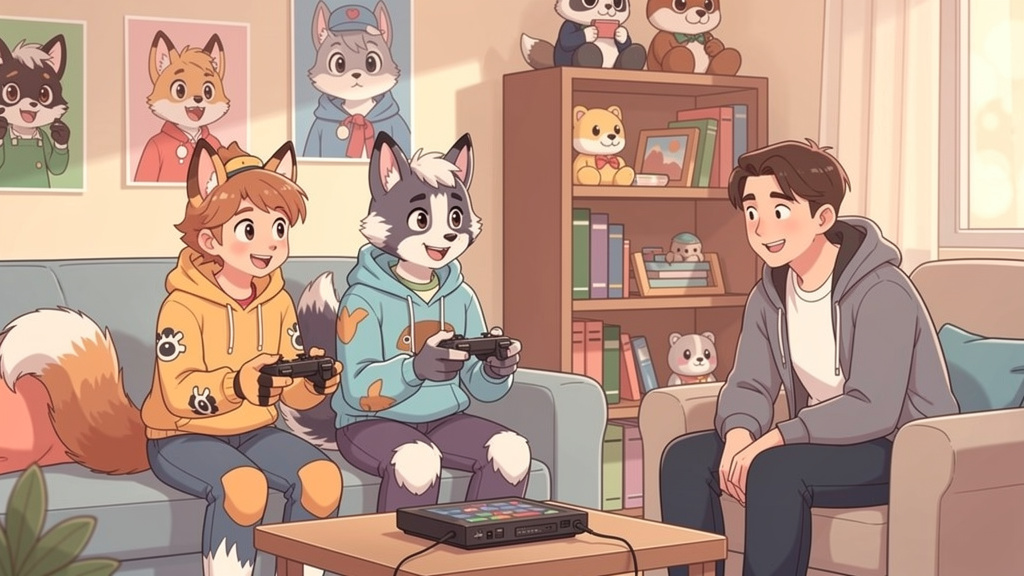
What Is A Furry? Defining the Subculture
So, what exactly opens the door to the furry fandom? When you get down to it, this is a vibrant, highly creative furry subculture grounded in a fascination with anthropomorphic animals. We aren’t just talking about your average household pets here. These are fictional characters that act human – they might talk, walk on two legs, or wear clothes.
Think about the classic cartoons you grew up with. That is the vibe. But people take it further, looking at everything from dragons and legendary werewolves to unique original species.
The furry community relies heavily on imagination. In fact, the whole thing is built on a foundation of artistic expression. Most members participate by designing a fursona. This is a personalized animal avatar that acts as your face/identity in the digital world and at conventions. It is a fun way to tell a story or explore different sides of your own personality.
One of the best things about this scene? It is incredibly inclusive. The welcoming nature of the group creates a safe space for people from all walks of life. The culture thrives on acceptance and a high standard of mutual respect. Whether you are into costume building – often called fursuiting – or just love the artwork, finding a sense of belonging is easier here than almost anywhere else.
Let’s clear the air on a few myths, too. Being a “furry” is not inherently sexual. Like any massive group, there are different corners to it, but the hobby itself focuses on creative passion and social connection. For the vast majority of people involved, this is a wholesome pursuit of identity and a way to bond with others who love imaginative character work.
What Is a Fursona? The Heart of Furry Identity
If you want to understand the furry fandom, you have to start with the fursona. It is a mash-up of “furry” and “persona,” sure. But it represents so much more. This concept is a personalized avatar that serves as the core personal identity for a member of the community. We aren’t talking about a random drawing here. In fact, a fursona acts as a genuine animal alter personality, allowing you to project your own traits, desires, and quirks onto an anthropomorphized character.
Building a character like this is a deeply personal act of creative expression. The best part? There are zero strict limits on what your character can be. A creator might pick virtually any species from the natural world – think wolves or foxes – or look toward mythology to become a high-flying gryphon or a unicorn. Many folks even invent brand-new hybrid species to ensure they maintain a truly unique identity. In the end, this process of self-expression is exactly how most community members identify and interact with one another.
Because the fursona is such a foundational element of the subculture, you won’t hear terms like “furry kid” used much within the community itself. Instead, individuals are recognized instantly by their specific characters and the stories they build around them. Whether it is used for social interaction, digital art, or roleplay, the fursona is the primary lens through which a furry navigates their world, blending human psychology with animal aesthetics.
Fursuits, Art, and Community: How Furries Express Themselves
When most people think of the furry fandom, they immediately picture the fursuit. It makes sense. These outfits are creative powerhouses, often rivaling the charm of Disneyland characters, the high energy of sports mascots, and the intricate detail of professional theatrical costumes. Builders craft them using premium fake fur and sculpted foam rubber, allowing someone to physically step into the shoes of their character.
You’ll usually see these suits in action at large conventions or smaller local meetups, where they act as the center of attention. But here’s the thing – because they are custom-made pieces of wearable art, they can be incredibly pricey. As a result, only a small percentage of the community actually owns a full suit.
That said, you don’t need a giant budget to be part of the scene. Fans express themselves through plenty of other mediums. This community is a massive engine for art, engaging literature, and original music. Creators are constantly sharing stories, songs, and illustrations that bring their “fursonas” to life digitally. For many, showing off their furry pride is a bit more subtle. Instead of a full suit, they might stick to simple accessories, throwing on a pair of distinct ears or clip-on tails to fit in during events.
- Visual Arts: From sketches to full digital paintings, this is how most fans see their characters.
- The Written Word: Writers expand the world through novels and short stories.
- Performance: The scene is full of energy, from DJing to dance competitions.
- Wearables: Items like ears offer an easy, accessible way to join in.
The bottom line? Participation looks different for everyone. Whether you are a dedicated performer in a full costume, a professional illustrator, or just a casual fan who likes the vibe, it all counts. The community thrives because of this mix, ensuring everyone can find a way to express themselves that feels right.
Furry vs. Sexuality: Separating Fact from Fiction
Let’s tackle the biggest hurdle right out of the gate. There is a massive misconception floating around that being a “furry” is actually a sexual orientation. We need to be clear about this: it isn’t. The furry fandom is a subculture focused on anthropomorphic animals, not a sexual preference. While the community is famous for being a safe space that welcomes a huge LGBTQIA population-including people navigating their gender identity or identifying as transgender-the heart of the hobby is different. It remains rooted in art, creativity, and roleplaying.
So, why is everyone so confused? Usually, it comes down to the visibility of adult content on the internet. While there is definitely a niche corner that explores furry sex or a specific fetish, that is just a small slice of a much larger pie. Judging the whole fandom by those themes is like assuming all of cinema is X-rated just because adult movies exist. For the vast majority of members, and especially for kids, this world is about identity and finding a supportive group of friends.
Think of it this way: a “fursona” is a creative avatar. It isn’t a sexual manifesto. Parents should look at their child’s participation as a form of artistic roleplaying and social connection. Obviously, sticking to standard safety protocols regarding online content is smart. However, it’s worth recognizing that for most people, this community is simply about belonging and identity, staying far removed from the wild stereotypes you see in the headlines.
Is My Child a Furry? Signs for Concerned Parents
Realizing that your child identifies with the “furry” community can be a bit baffling if you don’t know the ropes. If you have a furry kid, take a deep breath. The truth is, this identity is usually sparked by a love for anthropomorphic art and storytelling. It’s a creative hobby, not a cause for panic. For most teens, the fandom is simply a place to find friends and an outlet for their artistic talents.
Potential Signs of Interest
If you suspect your child is leaning into this subculture, keep your eyes open. You might start to observe behaviours that show a sudden spike in creativity and character design. Here are a few things you might notice:
- A distinct fascination with anthropomorphic animals (characters with human traits) in movies, video games, books, or comics.
- Spending huge chunks of time drawing art of their own original animal characters, which the community calls “fursonas.”
- A sudden interest in creating costumes or crafts, like making masks and partial “fursuits” to act out their characters.
- Active participation in online groups focused on animal-themed roleplay or digital art exchanges.
How to Respond Supportively
If your child tells you they are interested in the fandom, the best move is to lead with support rather than suspicion. View this as a unique hobby or identity to be understood, rather than a problem you need to fix.
- Talk – don’t lecture: Initiate an honest conversation about it. Ask your child what they enjoy most about the community. Approaching this topic with genuine curiosity instead of judgment builds trust and keeps your connection strong.
- Learn the lingo: Take a moment to learn the terminology. Once you understand that the fandom is fueled by art and performance, the subculture feels much less mysterious.
- Keep digital safety focused: Like any online space, the furry community has adult corners. While you shouldn’t spy on a harmless hobby, it is smart to track conversations for safety risks. Using a robust parental control app can be a game-changer here. Tools like AirDroid Parental Control help you monitor screen time and filter inappropriate content, letting your child explore their interests in a secure environment.
At the end of the day, your job is to keep them safe while nurturing their creativity. AirDroid Parental Control offers the balance you need to protect them without stifling their self-expression.
Wrapping Up: Understanding the Furry Fandom
Let’s be real. The furry fandom is a massive subculture that is frequently misunderstood by the outside world. At its heart, the actual furry meaning comes down to an appreciation for anthropomorphic animals, but it usually turns into something much deeper. It creates a genuine sense of belonging. You might view it as a casual hobby or, for some, a core piece of their identity. Regardless of how deep you dive, this inclusive community acts as a safe harbor where people can embrace their creative passion through art, writing, and costume design.
If you are a parent, don’t just rely on old stereotypes. Instead, try to see the group for what it really is: a space for social connection and real self-expression. While the internet likes to focus on the quirks, the reality is usually a supportive network that helps people grow artistically. If your child is involved, they are likely just using this avenue to find friends who share their interests. Keep an open mind. By doing that, you can support your child’s creative passion while helping them navigate this diverse online world safely.